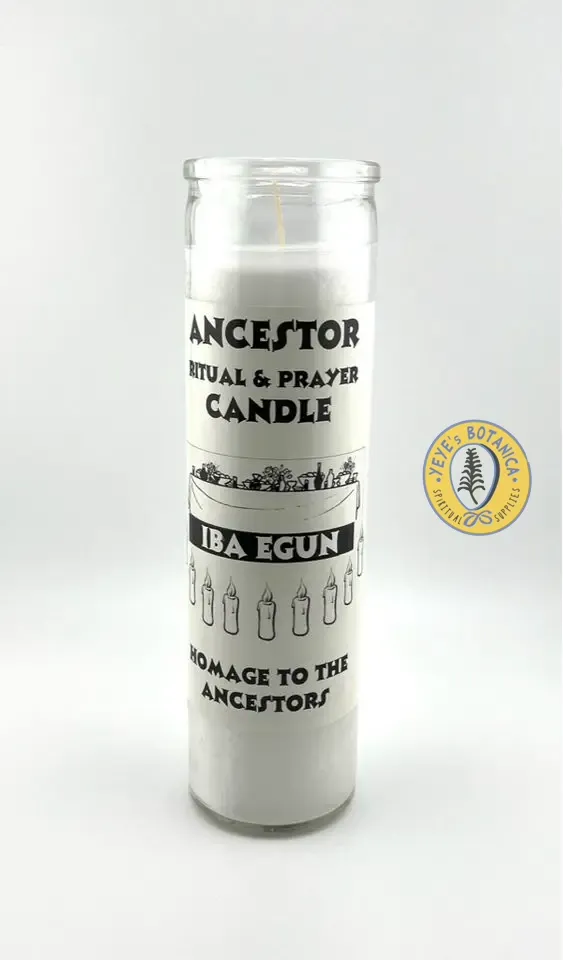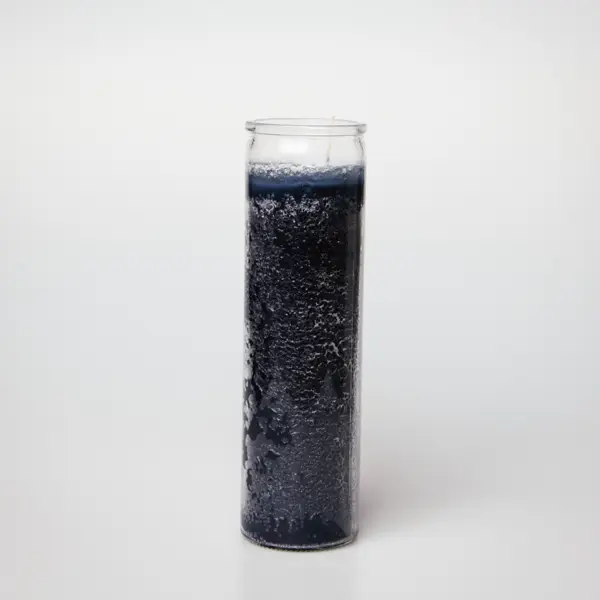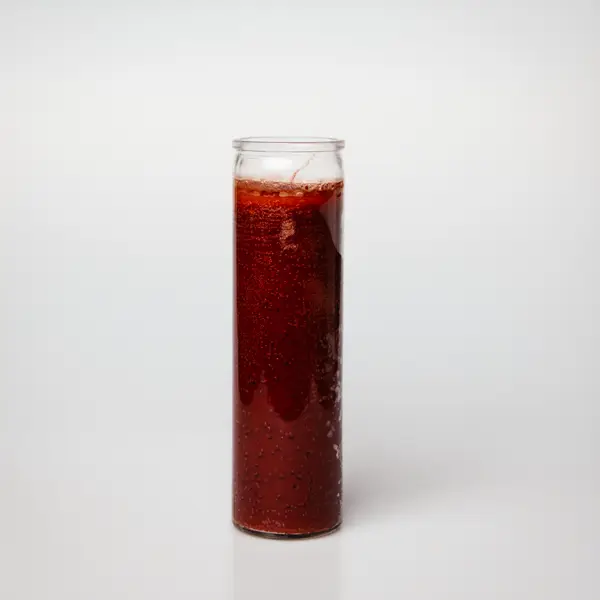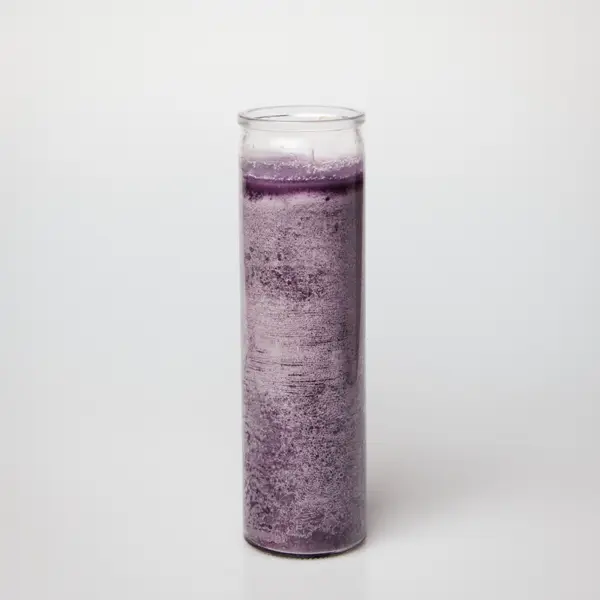
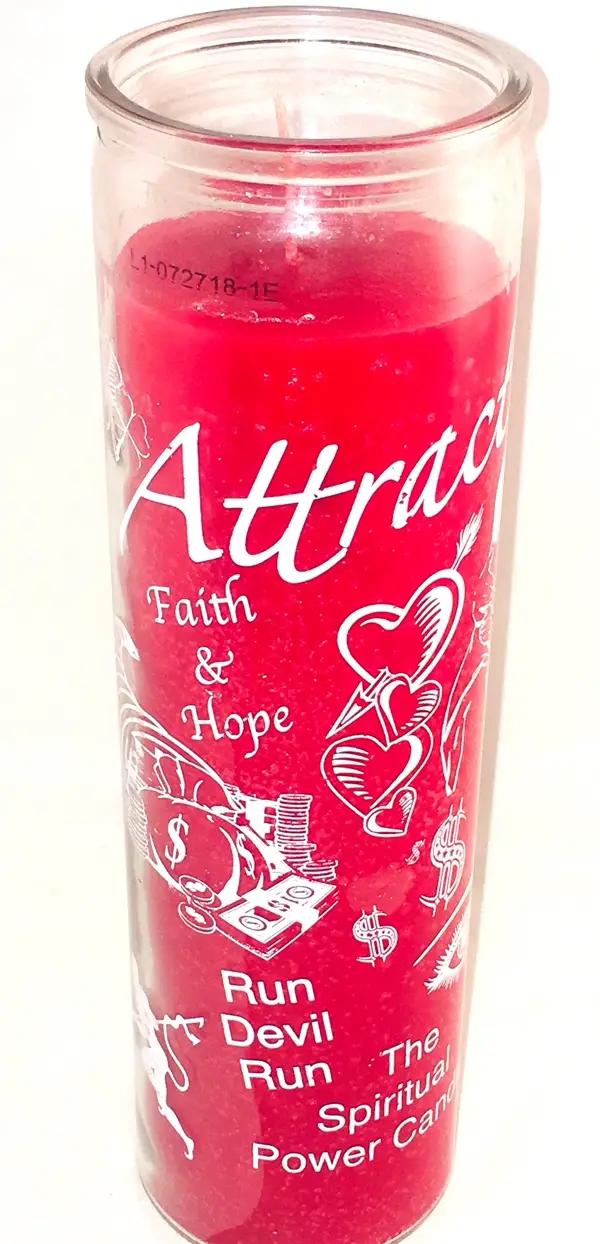
Attraction 7 day Glass Candle
In stock at Atlanta and Decatur.
What this is
A glass candle meant to burn unbroken for seven days. Dressed before it is lit, then left to do the work in its own time.
The practice
What this tradition does with an object like this — how it is used, not a promise about what follows.
- FridayVenus’s day — worked for love, sweetness and reconciliation.
- The moonWorked on a waxing moon — the stretch between new and full, when things are meant to grow.
How it is used
- 1Say plainly what it is for. One thing, out loud, before anything is lit — a candle set for four purposes is set for none.
- 2Dress it: anoint with oil and, if you have one, a pinch of powder or herb on top of the wax.
- 3Set it somewhere level, away from a draft, where it can burn unbroken for the seven days.
- 4Leave it alone. It is working; watching it is not part of the work.
Waxing moon to draw something toward you; waning to send it away.
Working it properly
The craft under the instructions — direction, count and order. This is the part that is normally only said across a counter.
- The petition goes under the glass, not on it. A name or a request written on plain paper, folded toward you to draw something in and away from you to send it off, then set beneath the candle so it burns above the words for the whole seven days.
- Dress the glass from the base upward when you are calling something in, from the rim downward when you are pushing something away. Practitioners run it as a spiral rather than a straight line so the wax carries the oil evenly as it falls.
- The wax is a record. A clean even burn, a glass that blackens on one side, a flame that leaps or crouches — the tradition reads all of it afterwards rather than during, which is the other reason you leave it alone.
- If it genuinely has to be put out, it is snuffed and relit at the same hour the next day, and the working is counted as continuing rather than restarted.
- A working candle is set on a day chosen for it and started, not squeezed in. Beginning on the day the tradition assigns is half of what practitioners mean by doing it properly.
What completes the working
A working is a ladder, not a single object. Each rung below says what the addition does, and shows what Yeye's Botanica carries for it.
the dressing — an undressed candle is wax with a wick, and the oil is what gives it its purpose
set on the wax with the powder, the material the working is actually made of
the step BEFORE the candle — the tradition clears the ground first, then lights
the room is smoked before the candle is set, so the work begins on clean air
What people get wrong
- Blowing it out. The tradition snuffs a candle rather than blowing on it — breath is yours, and the flame is not.
- Over-dressing. Too much oil drowns the wick, and a candle that gutters out on day two is a candle you have to start again.
- Moving it once it is lit. Set it where it will finish.
Reading the glass afterwards
- Clean glass, steady flame, wax gone
- Read as a working that met nothing in its way.
- Black soot up one side
- Read as resistance — traditionally taken as a sign to clear before setting another.
- Soot at the top only
- Usually just the wick catching up at the start. Read as nothing much.
- Wax left in the bottom
- Read as work unfinished — many practitioners set a second candle rather than relight this one.
- The glass cracks
- Read as force taken by the glass instead of by you. It is also what happens when a candle burns in a draft, and the tradition says to check that first.
- Flame high and loud, then low
- Read as a fast start against something slower underneath.
This is what the tradition looks for, not a diagnosis. A wick sits off-centre, a draft moves a flame, and glass is uneven — most of what a candle does, it does for ordinary reasons.